Peonies are among the most beloved and revered flowers in gardens worldwide. With their lush, full blooms, rich fragrance, and array of colors, they have earned a place of distinction in both floral arrangements and gardens alike. However, peonies are more than just a feast for the eyes—they carry deep symbolism and are associated with significant cultural meanings. In this post, we will learn all about peonies. We will explore the symbolism of peonies, their historical significance, and most importantly, how to care for these beautiful flowers so that you can enjoy them for years.
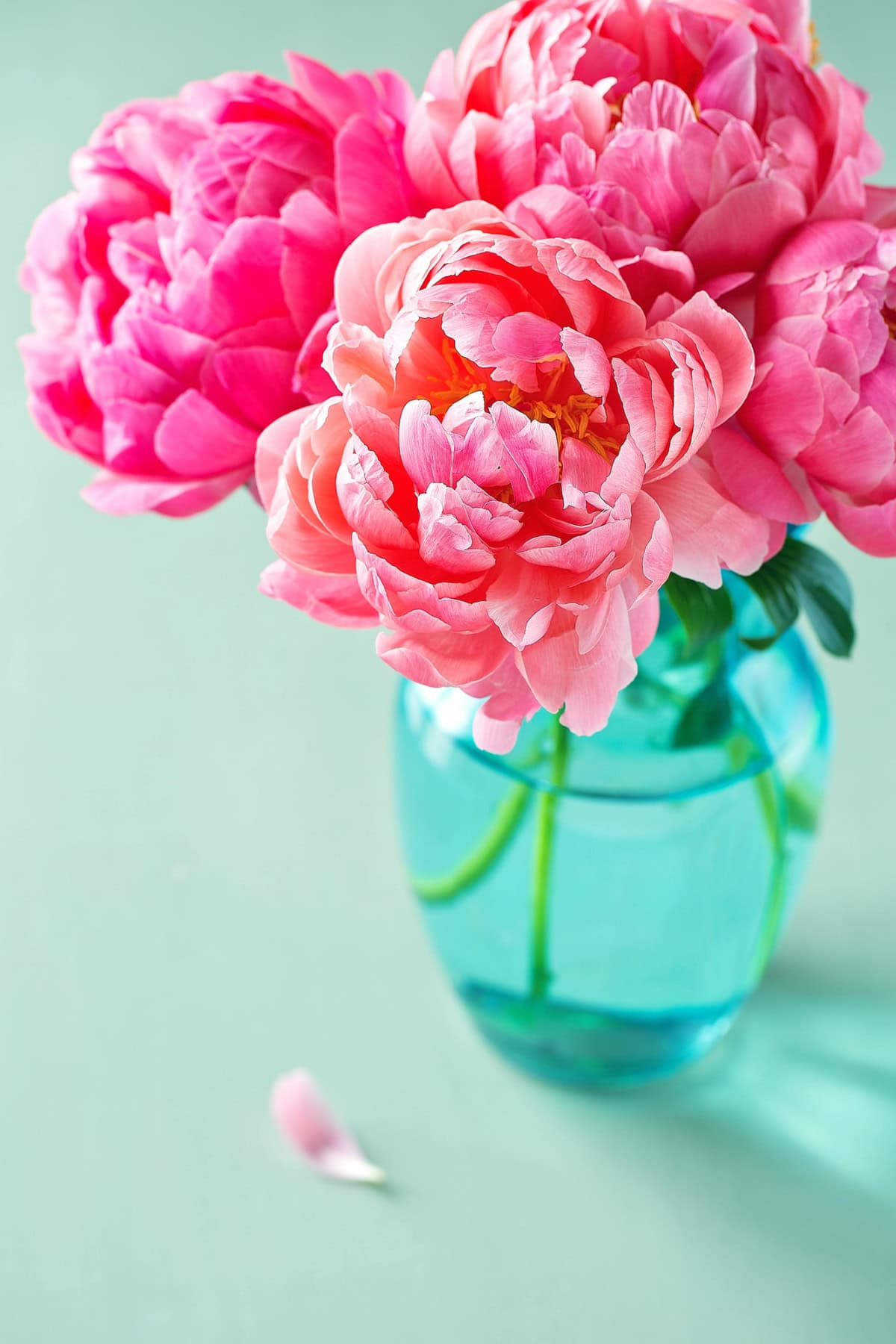
All About Peonies
Whether considering peony flowers delivery for a special occasion or planning to plant them in your garden, understanding their care requirements is essential to ensuring their long-lasting beauty. From their origins in ancient traditions to modern-day garden cultivation, peonies offer a wealth of knowledge for gardeners and flower enthusiasts alike.
The Symbolism of Peonies
Peonies are symbolic flowers. In many cultures, they symbolize good fortune, prosperity, and a happy marriage. Their impressive, extravagant flowers were associated with the concept of wealth and abundance, especially in ancient Greece and China. According to the Greeks, peonies were a gift from the gods, and the petals of the flower symbolized beauty and fulfillment of desires.
In China, peonies are called the “King of Flowers,” symbolizing wealth, honor, and a happy life. The Chinese thought the peony could bring prosperity and happiness to the home. This association with wealth made the peony a frequent flower in numerous festivals, particularly those intended to celebrate ancestors and harvests.
Peonies symbolize wealth and happiness, romance, and love. During Victorian times, they were commonly used as a symbol of happy and everlasting marriage. Nowadays, they are a great option for weddings, especially for brides who want to use them to represent eternal love and devotion.

Peony Care Tips for Gardeners
Though the symbolism of peonies is indeed beautiful, maintaining these flowers to ensure their health and longevity in your garden is no less so. Peonies are relatively easy to grow but need special care to grow well. Below are some tips for gardeners who wish to grow healthy and vibrant peonies:
Choosing the Right Location
Peonies need full sunlight, so choosing a spot in your garden that gets at least 6 hours daily is essential. They like well-drained soil, so avoid planting them in places where water accumulates. Peonies are hardy plants that can withstand a wide spectrum of temperatures, but they grow best in zones 3 to 8.
Planting Peonies
The ideal time to plant peonies is during the fall, as the roots will have time to set before the cold months of winter. When planting, ensure that the peonies are grown with their eyes (small pinkish buds on the root) facing up, about 1-2 inches below the soil level. Planting too deep will stop the peonies from blooming, so getting the planting depth right is essential.
Watering and Fertilizing
Peonies are drought-resistant when established but require regular watering, particularly during the growing season. Give them deep watering every week, ensuring that the soil remains moist but not wet. You can fertilize your peonies with a balanced fertilizer for the growing season to stimulate healthy growth. Don’t fertilize too heavily, as this can promote a lot of leaf growth at the expense of blooms.
Pruning Peonies
Peonies do not need heavy pruning, but removing dead or damaged stems and foliage is necessary to avoid disease. Once the peony has flowered, you can cut back the spent flower heads to encourage the plant’s energy to go into the roots rather than the seed production. When the plant is dormant in the fall, cut back the foliage to 2 inches above the ground to prepare for winter.
Supporting the Blooms
Peony plants tend to have large, heavy flowers, which leaves the plants susceptible to the stems bending or breaking, in conditions such as heavy rain. To avoid this, you may use plant supports or peony cages to help keep the stems vertical. These supports can be put around the plant at the beginning of the growing season before the flowers bloom.
Dealing with Pests and Diseases
Peonies are generally quite pest and disease resistant, but they are occasionally susceptible to fungal infections or insect infestations. Common problems are powdery mildew and botrytis blight. If you see any signs of disease, remove the affected foliage immediately and make sure your peonies have good airflow to reduce the chances of fungal growth. For insect pests, like ants or aphids, rinse them off with a hose or use organic pest control.
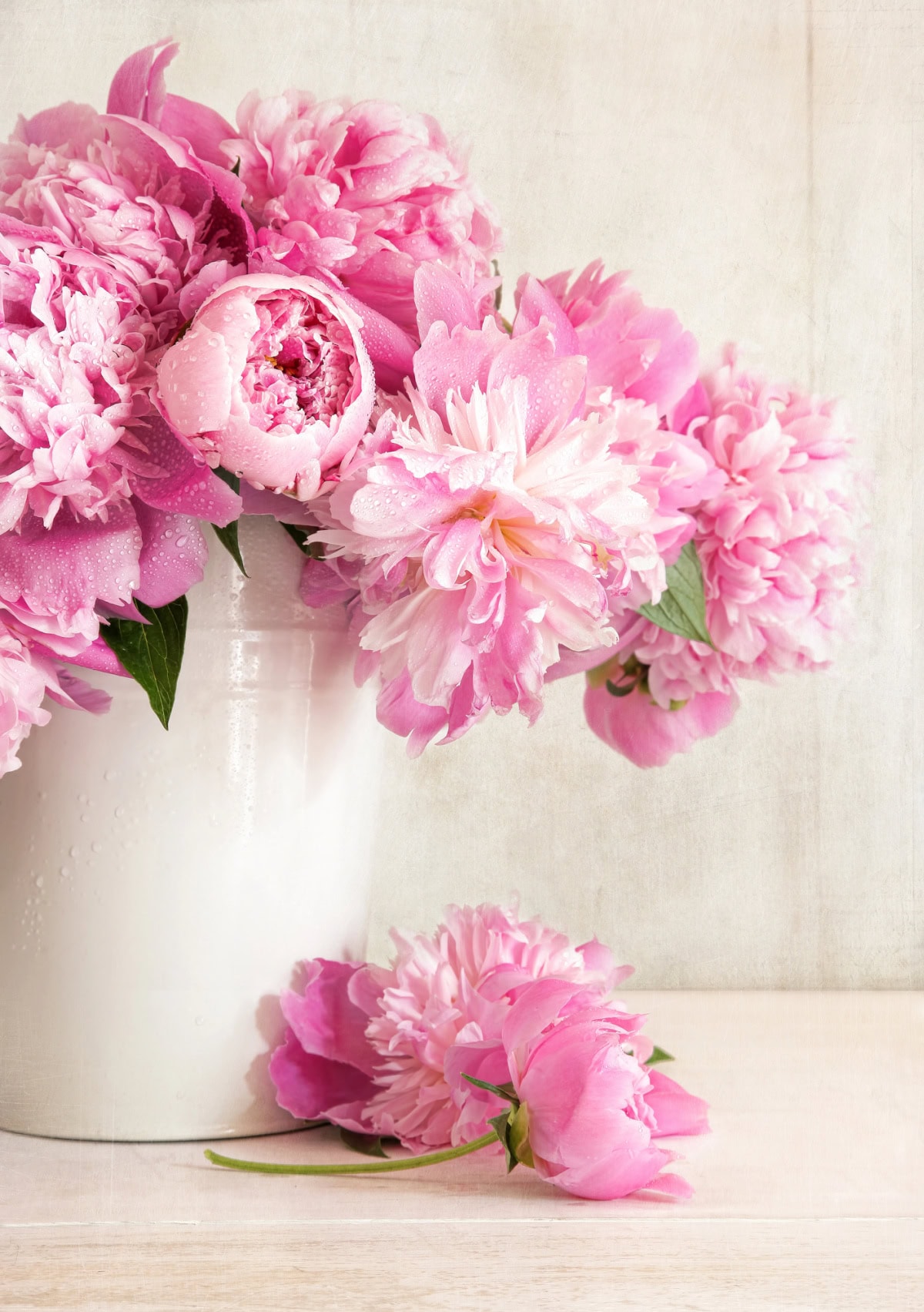
Peonies in Floral Arrangements
Peonies have always been a favourite flower in flower arrangements because of their gorgeous, voluminous blooms. They make a striking statement in any bouquet, alone or combined with other flowers. Their soft petals and sweet smell make them a favorite for weddings, birthdays, anniversaries, and other occasions.
If you’re thinking about gifting someone a bouquet of peonies, either as a peony flower delivery or as a personal touch in a floral arrangement, there are a couple of things to consider. First, ensure that the flowers are fresh. The best time to have your Peonies delivered is late spring to early summer, as they bloom duing that period, making them at their best.
Conclusion
Peonies are much more than pretty flowers; they are full of rich symbolism and history. Whether you plant them in your garden, use them in your flower arrangements, or appreciate their beauty, they provide a feeling of elegance and meaning that few other flowers can provide. With proper care tips, you can guarantee that your peonies thrive and brighten your space with their beautiful blooms for many years. Whether you order peony flowers delivery or grow them yourself, these classic flowers will add joy and beauty to your life.

- Family Cycling with Kids: How to Keep Young Riders Motivated on Longer Rides - October 15, 2026
- When a Marriage Ends but the Mortgage Doesn’t Get the Memo - October 15, 2026
- Non-Alcoholic Champagne vs Sparkling Cider: How to Choose Your Bubbles - October 15, 2026