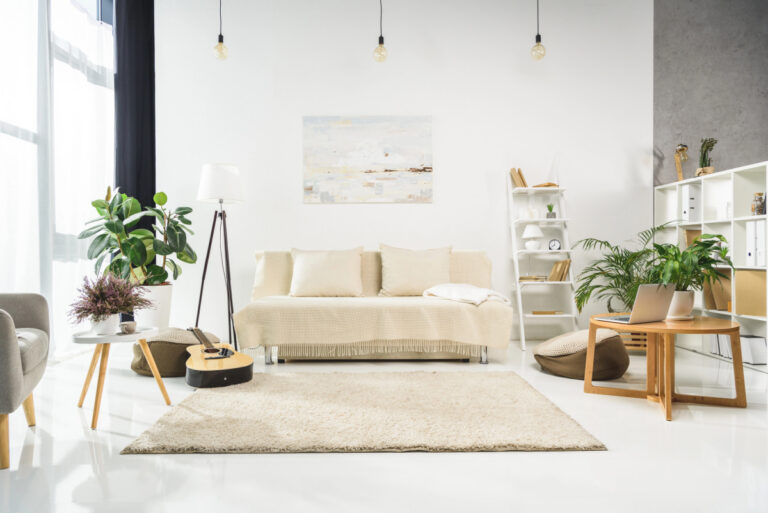
Designing a sanctuary at home requires a balance between aesthetic choices and functional relaxation. Your sleeping space should feel like a quiet escape from daily demands, serving as a peaceful retreat where visually pleasing design elements work together with physical ease.
Creating a Visual Anchor for the Room
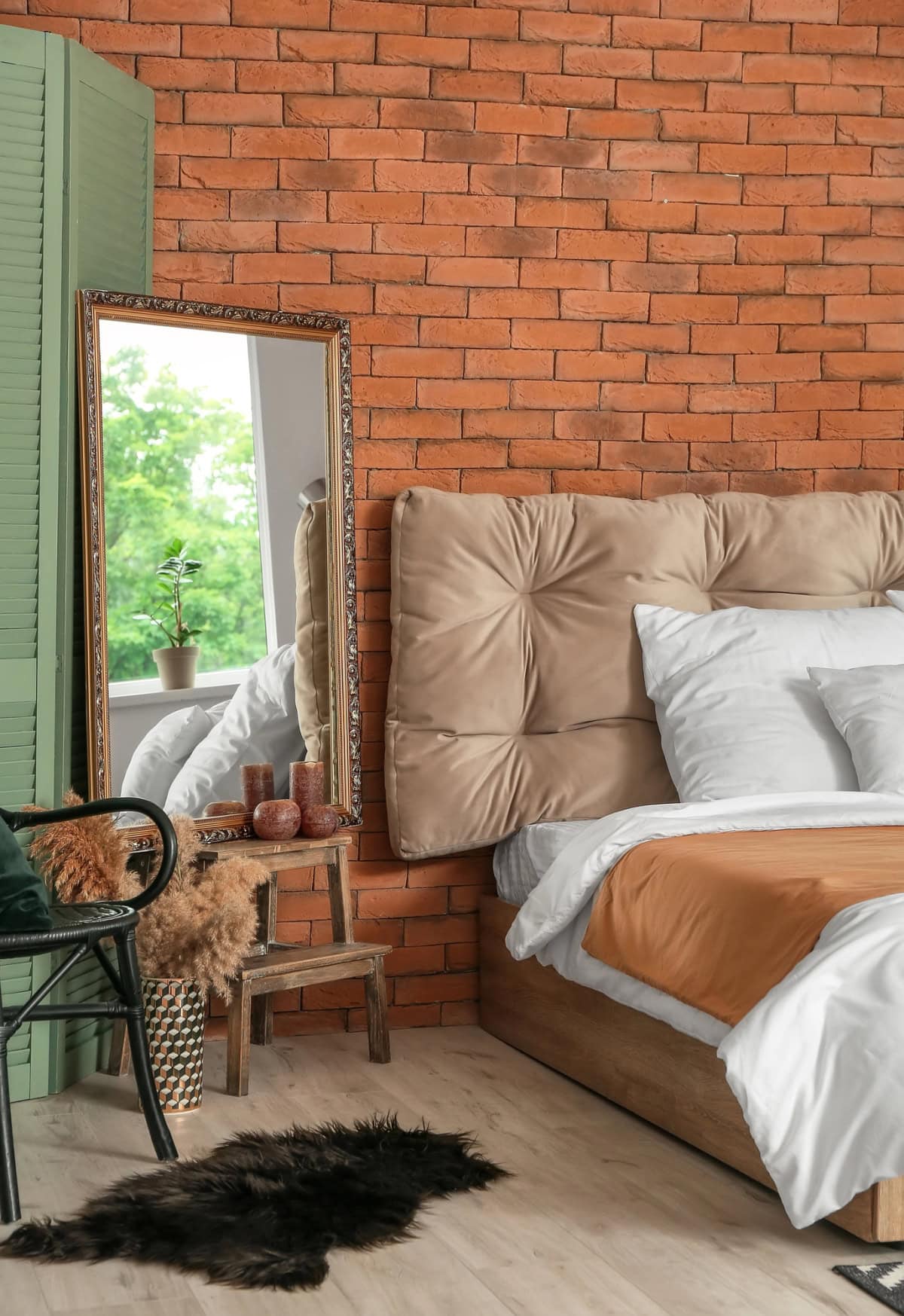
Every well-designed resting space needs a focal point to organize the visual flow. The bed frame and headboard setup typically serve as this anchor, drawing the eye instantly upon entering. Selecting low-profile frames or padded backrests offers strong structure while keeping the room feeling open.
Matching the wood tones or metallic finishes of your furniture pieces establishes harmony. Dark walnut creates a grounding effect, while light oak or painted white wood keeps the area feeling airy. Balancing these structural items with softer textiles prevents the space from looking too rigid or commercial.
Layering Soft Textiles for Maximum Tactility
Comfort relies heavily on the items that make contact with your skin every night. Investing in high-quality materials like Panda London bamboo linens will completely change how your bed feels throughout every season. Choosing breathable fabrics ensures temperature regulation, helping you sleep soundly without waking up overheated.
Textile selection also influences the visual richness of your room design. Combining smooth weave sheets with textured throws creates depth without relying on busy patterns. Mixing woven blankets, waffle-knit accents, and smooth pillowcases provides a tactile variety that feels inviting after a long day.
Choosing a Calming Color Palette
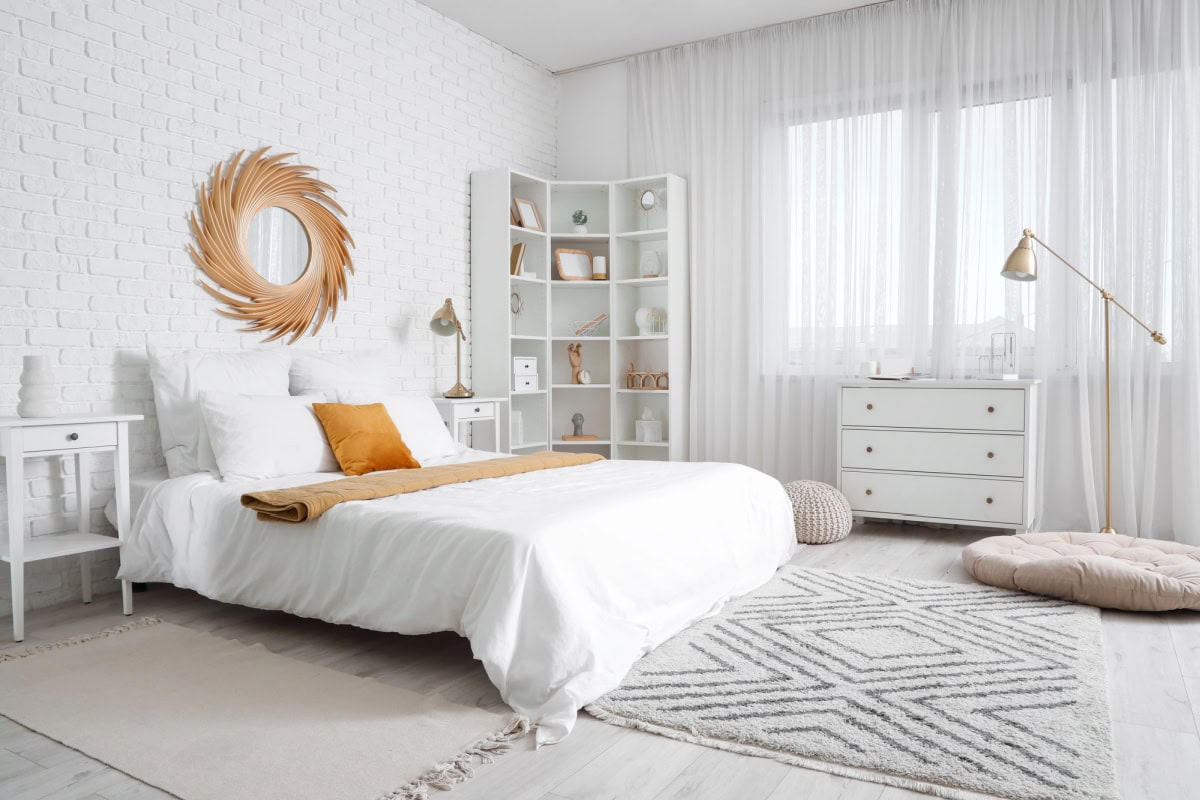
Color directly impacts mood and restful feelings within an interior layout. Neutral tones like warm taupe, soft gray, and warm off-white build a timeless foundation that feels peaceful. These shades allow natural light to bounce around the room softly during daytime hours.
Adding accent shades gives the space personality without overwhelming the senses. Muted greens, deep blues, or soft terracotta bring warmth and natural connections inside. Keeping bright neon tones out of the sleeping zone helps signal to your brain that it is time to unwind.
Lighting Strategies for Different Times of Day
Lighting needs to adjust based on whether you are waking up or preparing for sleep. Overhead fixtures often feel too harsh for late evening hours, making layered light sources a practical necessity. Installing dimmable switches lets you control the illumination level effortlessly.
Positioning accent lights throughout the room improves both function and ambiance:
- Wall sconces mounted beside the bed save nightstand surface space.
- Warm LED table lamps create gentle pools of light for evening reading.
- Floor lamps tucked into empty corners eliminate dark shadows.
Selecting Functional Storage Furniture
Clutter ruins the serene atmosphere of a carefully styled interior space. Choosing storage pieces with clean lines helps conceal everyday items, keeping surfaces clear and visually simple. Wide dressers and tall chests offer practical capacity without taking over the room.
Nightstands with built-in drawers keep personal items out of sight. Leaving only a lamp, a book, and a glass of water on the top surface promotes a clean look. Multi-functional furniture, like storage benches placed at the foot of the bed, offers space for extra blankets while adding extra seating.
Integrating Organic and Natural Elements
Bringing natural elements into an interior creates a grounding connection to the outside world. Raw wood, exposed stone, and woven grasses add natural warmth to sleek modern designs. These materials age gracefully and add character to the layout over time.
Houseplants introduce living color and texture while improving indoor air quality. Placing a tall potted plant in a sunny corner brightens up unused space. Smaller potted succulents or trailing vines look great on window sills or wide dresser tops.
Managing Acoustics and Noise Control
A quiet environment is fundamental for quality rest each evening. Soft surfaces absorb sound waves, preventing echo and filtering out intrusive noise from surrounding rooms or outdoor traffic. Hanging heavy curtains over windows blocks unwanted light while damping street noise.
Placing large area rugs over hard floors significantly reduces footsteps and sound reflection:
- Thick wool rugs add plush comfort underfoot when stepping out of bed.
- Layering a smaller patterned rug over a large jute base adds visual depth.
- Felt rug pads beneath area carpets increase cushion and soundproofing benefits.
Strategic Layouts for Better Room Flow
Arranging furniture to allow open pathways changes how you interact with the space. Leaving clear walkways on both sides of the bed ensures easy movement for making the bed or getting up at night. Avoid blocking natural pathways with bulky chairs or extra storage chests.
The key to a successful bedroom layout lies in selecting pieces that serve a functional purpose while supporting a peaceful environment. Combining soft textures, smart storage, and balanced lighting transforms any space into a stylish home sanctuary. Focusing on quality materials ensures your space remains beautiful and comfortable for years to come.

- What Home Remedies May Help Relieve Wegovy Nausea? - November 3, 2026
- How Does a 2-2-3 Custody Schedule Work for Divorced Parents? - November 3, 2026
- 9 Ways to Organize a Group Birthday Gift for a Friend in 2026 - November 3, 2026