You are driving home from soccer practice while someone in the back seat argues about the last granola bar. Then you hear the screech of brakes, and everything stops.
Nobody wants to get into a car accident with children in their vehicle. Your heart races, your hands tremble, and your mind goes blank right when you need it the most, making this a perfect time to have a simple plan that you read when you are not panicking.
This guide covers what to do at the scene, what to handle in the days that follow, and when it makes sense to bring in professional legal help. Save it to your phone so you can find it quickly.
First, check everyone and get to a safe spot
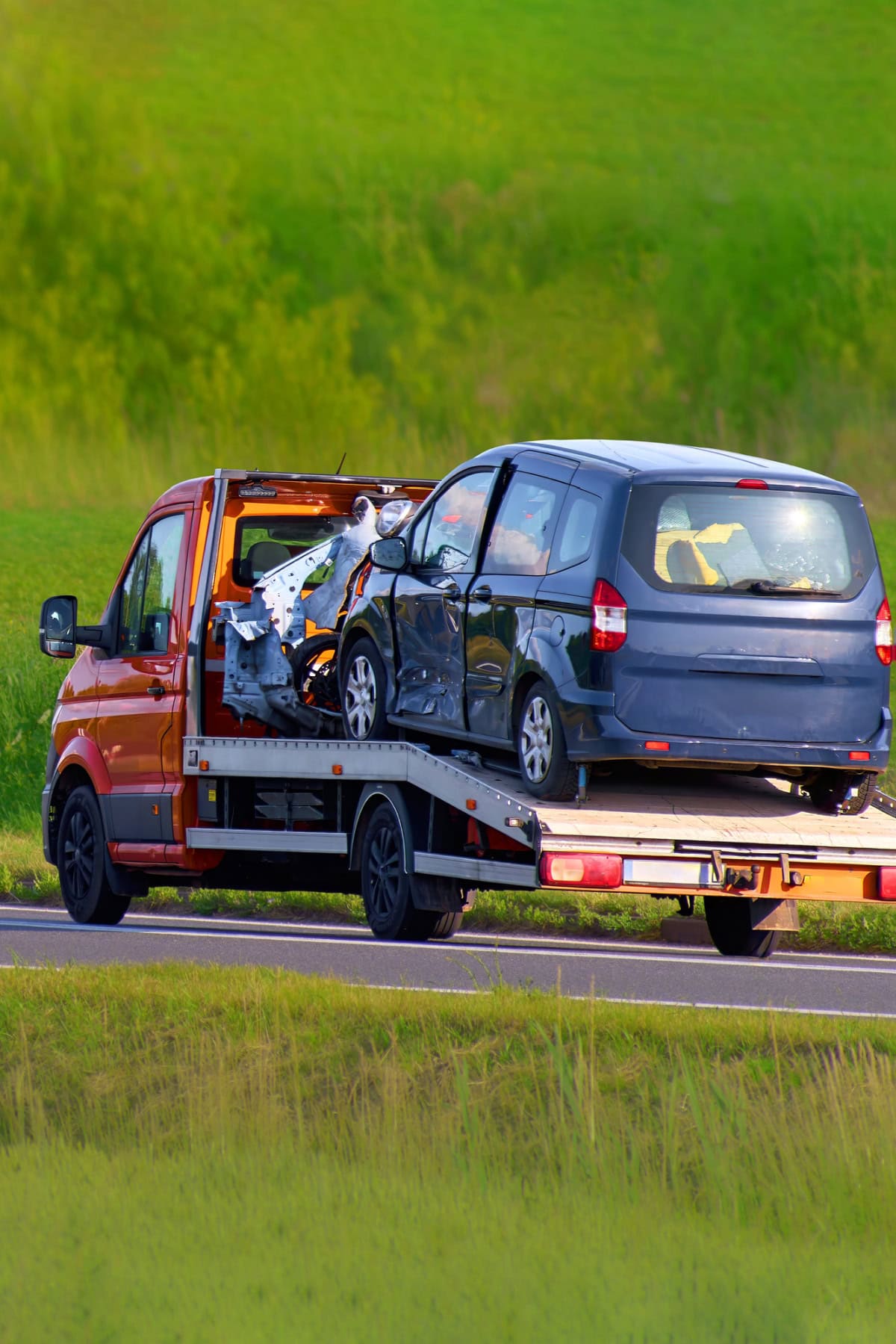
Slowly breathe in, then count heads, starting with the children. Turn on hazard lights, and if the wreck was minor and the car is still operating, move it out of the road to a safe spot so nobody else gets hurt.
If there is an injury or the vehicle is in the travel lane, stay in the vehicle, keep your seat belt on, and call 911. When calling dispatch, give the number of injured people and that children are involved, as this will affect how quickly emergency personnel respond.
Try not to lift your kids out of their seats unless there is serious danger, such as smoke or fire, since a child with a neck or back injury can be hurt further by being moved. Speak in a low and steady voice instead. Children pick up on your tone, and they will feel calmer when you sound calm.
Get the kids checked, even if they seem fine
Here is the step that many parents skip. Kids bounce back quickly, and they will often say “I’m okay” simply because they want to go home and watch a show.
The trouble is that children can have injuries that do not show up right away. Soreness, headaches, stomach pain, or sudden crankiness may appear hours or even days after the crash, and adults are no different, because adrenaline can hide pain for quite a while.
The CDC has studied how much child restraints matter. Its research found that car seats reduce the risk of death by 71% for infants and 54% for toddlers in passenger vehicles, and that booster seats cut the risk of serious injury by 45% for children ages 4 to 8 compared with a seat belt alone. You can read the details in the CDC report on child passenger safety.
Numbers like those are why you should call your pediatrician after any collision, even a small one. The visit also creates a medical record from the day of the accident, so if a new symptom appears next week, you will have documentation showing that it started with the crash.
Write things down while you still remember them
You will not remember every detail a week from now, and nobody does. Use your phone before you leave the scene, as long as you are physically able to.
Take photos of both vehicles from several angles, the road itself, any skid marks, nearby traffic signs, and the other driver’s license plate. Snap a picture of your child’s car seat and where it sat in the vehicle, and ask the other driver to show you their license and insurance card so you can photograph those, too.
Note the name and telephone number of anyone who witnessed what happened, as a neighbor or another driver might verify your account if the other driver disagrees. Ask the police officer for the report number before you leave, as many police departments have a policy of providing a copy of this report within days.
After that, take out your notes app and type the entire story while it is fresh. What were you doing when it struck; how fast were the cars going; what did you see just before the impact? If you can’t remember it, you can type it in and save yourself months.
Be careful what you say to everyone
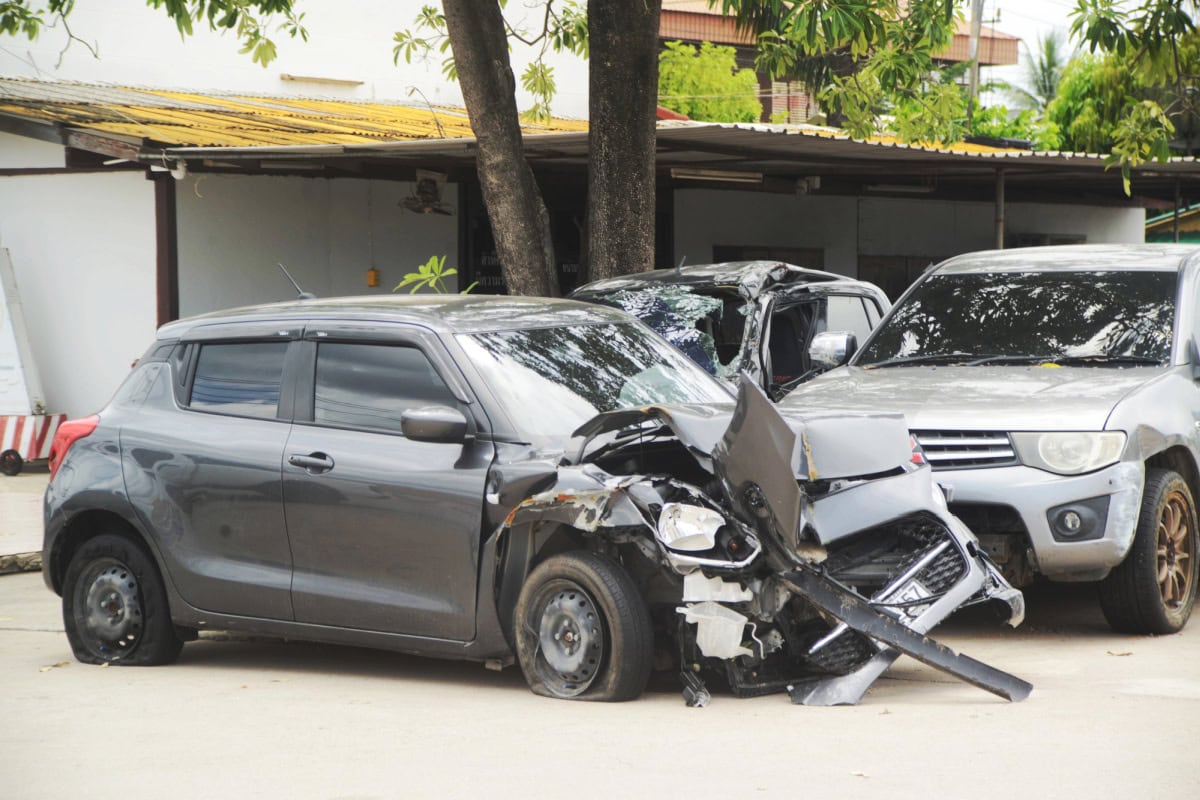
It is natural to say “I’m so sorry” after a crash. Moms apologize for everything, including the weather, but at the scene, an apology can be twisted and used against you later.
Stick to the facts. Exchange contact and insurance details; explain in simple terms what went wrong and avoid speculations such as “I think I looked away for a second.” If the other driver says it’s not a big deal and will pay that person cash, don’t accept that because it may not be that much at first glance and may cost a lot more when the repair shop opens in the bumper.
Next comes the insurance call. Notify your own insurance company promptly of the accident, as many policies require you to give notice quickly. The other insurance company will also reach out within a day or two, and their adjuster may be pleasant, even kind. Nevertheless, the individual is employed by the company, and the company wants to pay out as little as it can afford.
You can share your basic details, but you do not have to give a recorded statement right away, and you should never guess about your injuries or your child’s. Saying “I’m still getting medical care and I’m not ready to discuss that” is a complete and polite answer.
Check the car seat before you drive again
This one surprises many parents. A car seat that has been through a crash may not protect your child the next time, even when it looks perfectly fine on the outside.
Most manufacturers say to replace a seat after a moderate or serious crash, and some say to replace it after any crash. Read your manual or call the company, then ask your insurer whether they will cover a new seat. Many will, but usually only if you ask and keep the receipt. The same goes for boosters, strollers, and anything else that was in the vehicle when it was hit.
Keep a folder for every cost
An accident costs more than the repair bill. As a mom, you may miss work, have to take extra time out of your week to look after children, and attend unplanned appointments.
Create a file (paper or electronic) containing all documentation relating to the accident. Include medical bills, co-pays, prescriptions, mileage to and from appointments, rental car costs, repair quotes, and notes on how many days of work were lost by either you or your partner. This may be tedious; however, including this evidence will help verify the cost of the accident to your family.
Know that there is a time limit
Most people never hear about this until it is too late. In a car accident case, the law sets a deadline for filing a lawsuit, called a statute of limitations, and every state has its own version.
Colorado is one example. Under C.R.S. § 13-80-101(1)(n)(I), a lawsuit for injury or property damage from a motor vehicle accident generally has to be filed within three years after the claim begins. Other states can have shorter deadlines, and some have longer ones. If you miss the deadline, a court can refuse to hear your case, no matter how strong it is.
Claims involving a child can follow different rules, so don’t assume your child’s deadline matches yours. Look up your own state’s law, or ask someone who knows it well.
When it makes sense to talk to a lawyer
Not every fender bender needs a lawyer. If nobody was hurt and the other driver’s insurance is paying for repairs without a fuss, you may be fine handling everything yourself.
Some situations deserve a second opinion, though. Consider getting legal advice if you or your child needs ongoing treatment, if the other driver’s insurer says you were partly at fault, if the settlement offer feels too low or arrived very fast, if bills are piling up while you miss work, or if the other driver had no insurance or drove away.
In those cases, it can help to talk to a local attorney who handles injury claims and understands how the courts and insurance companies work in your area. Many personal injury lawyers offer a free first meeting and only collect a fee if you win, so asking costs you nothing but a little time. Bring your folder, your photos, and the police report number, and you will get much more out of a short consultation.
You should leave your first meeting feeling satisfied. You will have a better understanding of the process, time frames, and what you will need to provide. If something feels off, you can always walk away and meet with someone else.
Be gentle with yourself
Even minor accidents can disrupt the family. You may feel anxious in traffic, and it is common for kids to ask a lot of questions or even be teary when getting into the car. This is usually temporary and should settle with time and patience. However, if this is a problem, speak to your doctor.
Here is one small thing you can do today. Tuck a note in your glove box with your insurance details, your doctor’s number, and a short checklist from this post. If you ever need it, you will not have to think, and you can simply follow the list.
And buckle up. Every kid, every ride.

- How to Plan a Kitchen Remodel That Works for a Busy Family - November 23, 2026
- What to Do After a Car Accident With Kids in the Car - November 23, 2026
- How to Style a Hand-Tied Bunch for a Date Night at Home - November 22, 2026