Have you ever found yourself scrolling through cosmetic procedure stories and quietly wondering what actually goes into the decision? Not the glossy before-and-after photos, but the real questions people ask before ever stepping into a clinic.
For someone living in Bellevue, where wellness and personal care are often part of everyday conversations, it’s not unusual for these questions to surface while exploring health and lifestyle choices.
Maybe it’s the subtle changes that come with age, pregnancy, or weight fluctuations. Sometimes the thought simply appears out of nowhere: Would I feel more confident if something changed? Then the practical questions start. Is the procedure safe? What do implants actually involve? How long do results last?
Reliable information matters at this stage. The U.S. Food and Drug Administration explains that breast implants are medical devices placed under breast tissue or chest muscle to increase breast size or restore breast shape, and they provide detailed guidance for patients considering the procedure.
Once people begin separating facts from assumptions, many of the most common concerns start to feel much easier to understand. Let’s explore some of them.

1. “Will It Look Natural?”
This is almost always the first question. Many people imagine obvious, exaggerated results because those are the examples that tend to circulate online. The truth is that modern breast augmentation focuses heavily on proportion and balance. Surgeons spend a lot of time discussing body frame, lifestyle, and aesthetic goals before recommending implant size or shape.
Patients usually reach this stage after doing a fair amount of quiet research. They read personal stories, browse medical resources, and start comparing how different surgeons approach the procedure.
During that process, someone exploring options like breast augmentation in Bellevue often realizes that modern consultations focus less on simply increasing size and more on balance, how an enhancement fits naturally with a person’s frame, lifestyle, and long-term comfort.
Some practices in the area, including Egrari, are known for approaching consultations in a way that centers on proportion rather than numbers. Instead of immediately discussing cup sizes, the discussion often moves toward body structure, expectations, and how subtle adjustments can create results that still feel authentic to the patient.
2. “Will People Be Able to Tell?”
This concern is more emotional than medical. Some individuals want noticeable change. Others prefer results that feel completely private. Both perspectives are valid.
Today’s techniques allow for placement options that create a softer, more natural contour under clothing and even swimwear. Implant profiles, placement beneath the muscle, and incision location all influence how noticeable the outcome may be.
Interestingly, many patients report that friends simply assume they've changed their workout routine or wardrobe. Subtle results tend to blend naturally with the rest of someone's appearance.
3. “What Does Recovery Actually Feel Like?”
Recovery anxiety is common, especially for first-time surgery patients. People often imagine weeks of immobility, but recovery from breast augmentation is usually more manageable than expected. Most patients describe the first few days as tightness or pressure rather than sharp pain.
Light activity often resumes within a week, though strenuous exercise requires more time. Every body heals differently, of course. Factors like implant placement, physical fitness, and adherence to post-surgery instructions can influence how quickly someone feels normal again.
The biggest surprise many patients mention? The anticipation beforehand was worse than the recovery itself.
4. “How Long Do Implants Last?”
Longevity is one of the most common questions people ask early in their research. Many assume implants need frequent replacement, but the reality is more nuanced.
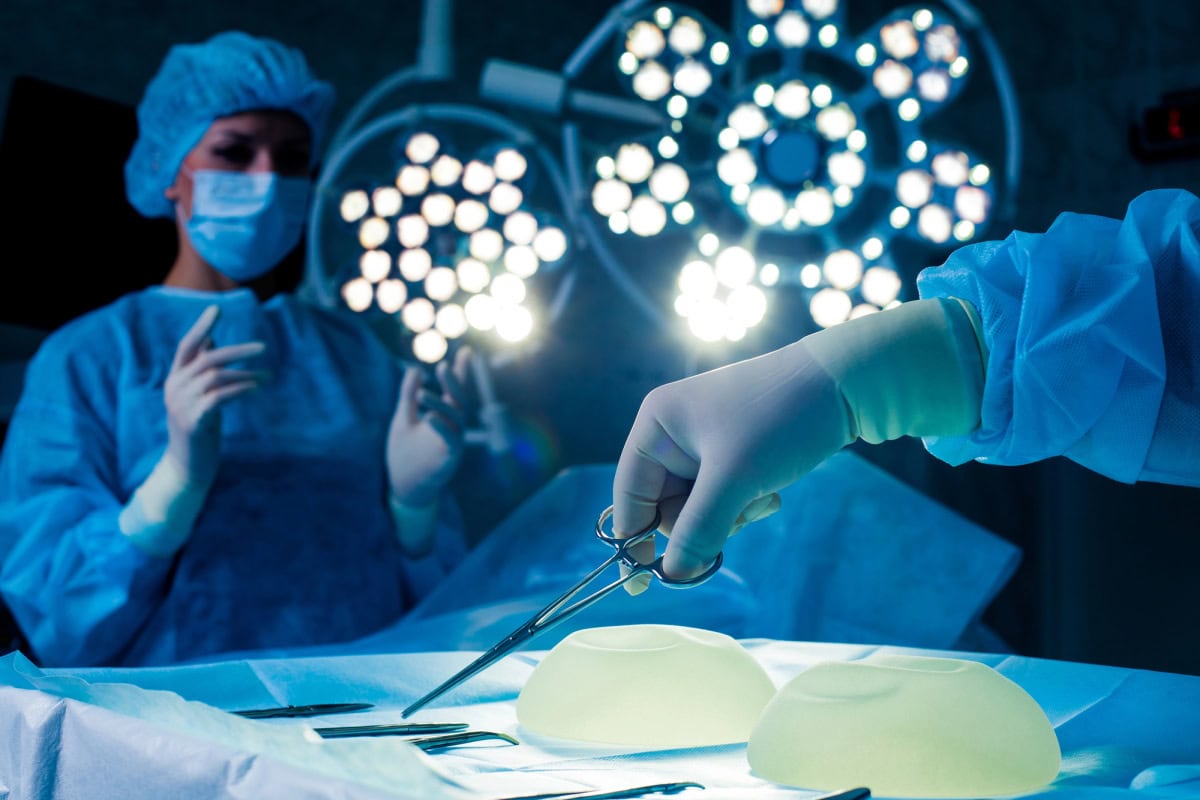
Breast implants are designed to be durable, though they are not considered lifetime devices. Many patients keep their implants for well over a decade without any issues, while others may choose replacement earlier for personal or aesthetic reasons.
Doctors usually recommend occasional check-ups to make sure everything remains healthy and functioning as expected. For most people, understanding that implants can last many years, but may eventually need monitoring or replacemen, helps set clear and realistic expectations from the start.
5. “What Happens If My Body Changes Later?”
Life rarely stays the same for long. Bodies evolve, sometimes gradually, sometimes in noticeable phases. Weight fluctuations, pregnancy, aging, and hormonal changes can all affect natural breast tissue. Breast augmentation doesn’t stop those shifts, it simply enhances the existing structure.
What many people find reassuring is that implants tend to maintain upper fullness even if natural tissue changes over time.
Common factors that may influence long-term appearance include:
- Pregnancy and breastfeeding
- Weight gain or weight loss
- Natural skin elasticity changes with age
- Lifestyle and fitness habits
Some patients later choose revision procedures to adjust to new body changes. Others keep their original results for many years.
6. “Is Breast Augmentation Safe?”
Safety questions come up quickly once someone starts seriously researching breast augmentation. That hesitation is understandable. Any surgical procedure deserves careful thought.
Over the years, breast augmentation has been studied extensively, and modern techniques have improved both precision and safety. Pre-surgery screenings, sterile surgical environments, and strict implant manufacturing standards all play a role in reducing complications. When procedures are performed by experienced, board-certified surgeons, serious risks remain relatively uncommon.
Still, informed conversations matter. Patients are encouraged to ask about anesthesia, implant types, recovery expectations, and long-term monitoring. Clear answers help people move forward with realistic expectations and a stronger sense of confidence in their decision.
7. “Will I Still Feel Like Myself?”
This question tends to surface quietly. Cosmetic decisions are deeply personal, and people sometimes worry about whether a physical change might alter their sense of identity. For most individuals, the opposite happens. When results align with their expectations, they often feel more comfortable in clothing, social settings, or simply in their own reflection.
Confidence shifts can be subtle. Sometimes it’s just wearing a favorite dress differently. Sometimes it’s standing a little taller.
At established clinics, conversations with patients often revolve around these emotional expectations as much as the technical details of surgery. A thoughtful consultation allows people to explore their goals without pressure.
Final Thoughts
Deciding whether to move forward with breast augmentation rarely happens overnight. For most people, it’s a gradual process filled with questions, research, and a fair amount of personal reflection. Concerns about safety, recovery, long-term results, and natural appearance are all part of that journey.
What often helps is understanding that many of these worries are shared by others considering the same procedure. Once people start learning how modern techniques work and what realistic outcomes look like, the decision tends to feel less overwhelming.
In the end, the most important step is having honest conversations, gathering reliable information, and giving yourself the space to decide what truly feels right for your body and your confidence.

- Navigating Life After a Brain Injury Diagnosis - June 3, 2026
- 6 Things That Determine How Long It Takes to See Microneedling Results - June 2, 2026
- The New Beauty Routine: Why More Women Are Choosing Med Spa Treatments - June 2, 2026