Many wonderful food businesses begin with nothing more than a home kitchen and a dream. It’s a timeless story, but moving from a hobby to an entrepreneur involves one difficult challenge: selecting your equipment. Data from the Australian Bureau of Statistics shows that thousands of new businesses are started every year; however, controlling cash flow is a major key to survival.
Purchasing expensive equipment immediately will quickly eat through your precious cash before you have a chance to sell anything. On the other hand, not investing enough will give you an immediate production problem when you start receiving orders. The trick here is to view your kitchen as an evolving construction project, rather than buying all at once.
Start With Your Products, Not Your Equipment List
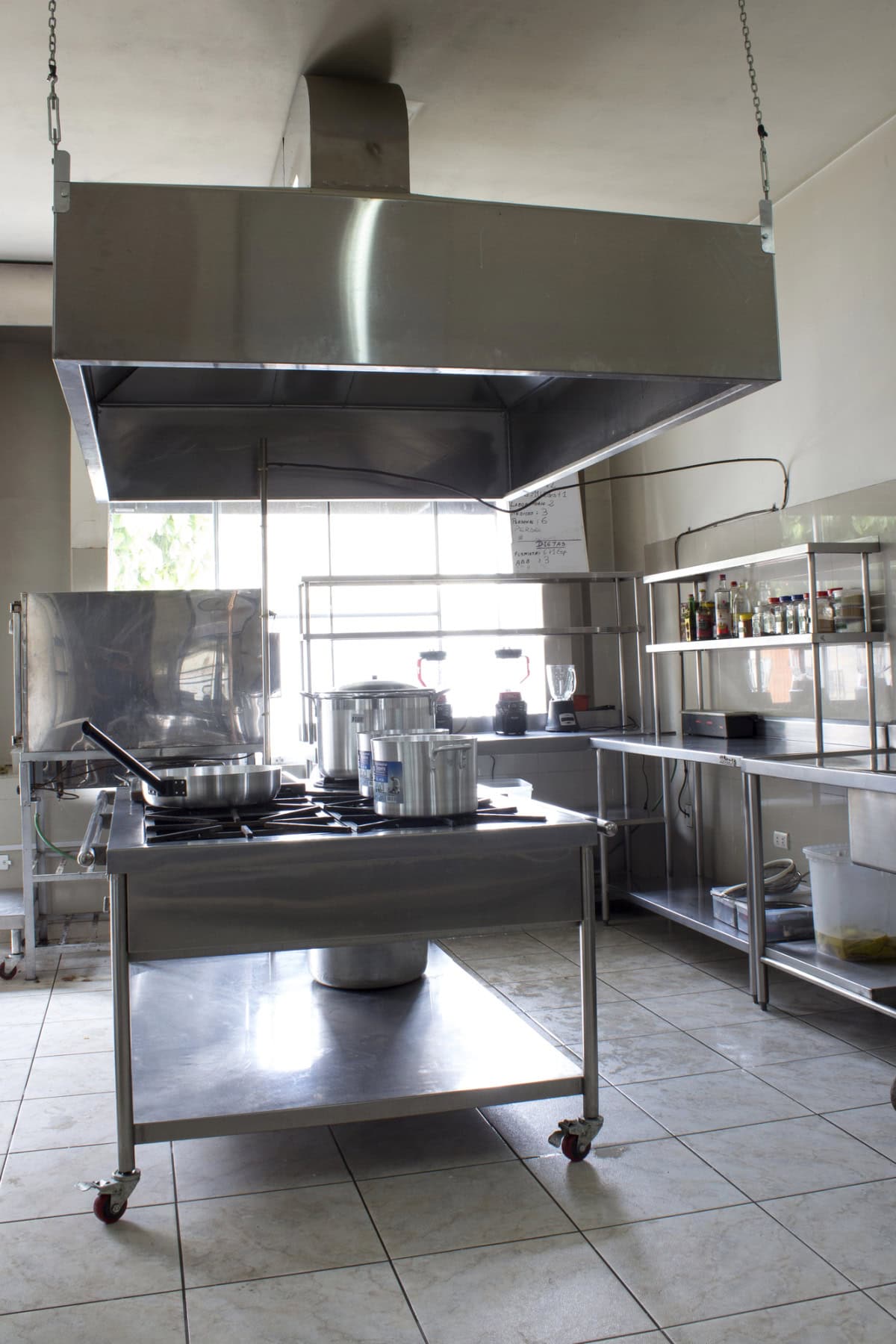
It’s easy to get swept up in browsing commercial catalogs, but your menu must dictate your setup. A boutique cupcake business needs precise baking zones, whereas a meal-prep venture requires rapid cooling and heavy prep benches.
According to setup guidelines from the NSW Food Authority, your specific food type dictates your operational rules. You need to map out production volume, ingredient storage, and safety rules first, ensuring equipment supports your workflow rather than just filling floor space.
Questions to Ask Before Buying Anything
Ask yourself these practical questions to guide your choices:
- How many orders do you expect to fill weekly?
- How much storage space do you actually have?
- Which manual tasks consume the most time?
- What currently limits your daily production?
Invest in Equipment That Saves Time First
When running a budding food business, time is a scarcer resource than recipes. If you spend hours manually chopping vegetables or kneading dough, you’re losing hours that could go toward marketing. Prioritize equipment that eliminates highly repetitive manual tasks.
Investing in a commercial mixer, a food processor, or sturdy stainless steel preparation benches changes your output instantly. Look at these purchases through the lens of return on investment (ROI). If an appliance saves two hours daily, it quickly pays for itself by freeing up your valuable business labor.
Avoid the “Professional Kitchen” Trap
Many entrepreneurs buy gear based on aspiration rather than reality. They picture a sparkling industrial kitchen and buy items they won’t need for years. This expensive equipment sits unused, trapping valuable startup capital. Start by solving immediate operational problems right now, not hypothetical problems three years down the track.
Don’t Underestimate Refrigeration and Storage Needs
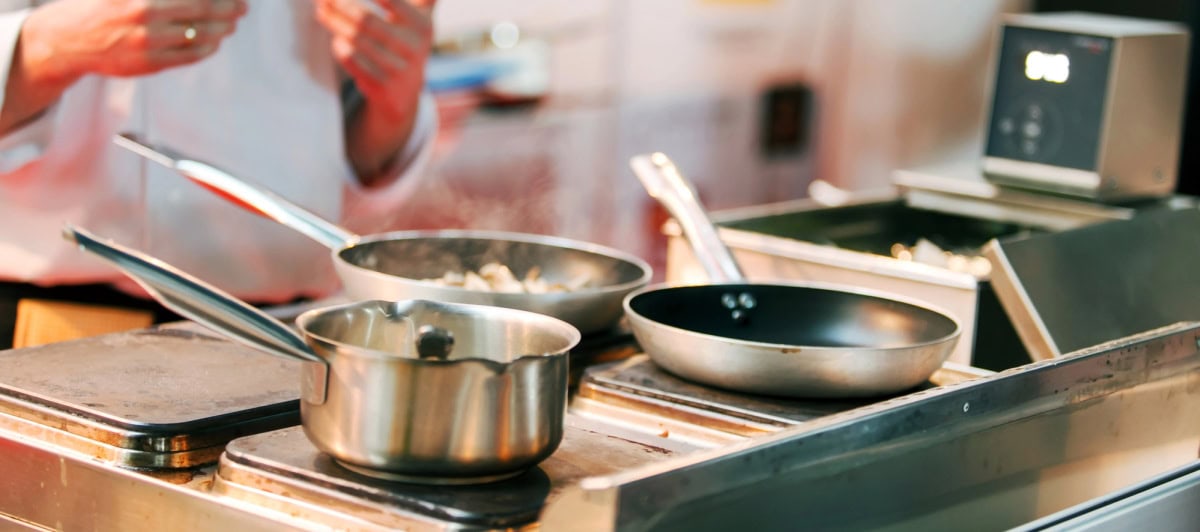
While ovens get the glory, storage and refrigeration are the true workhorses of any food business. Space constraints usually strike much earlier than new owners anticipate. A cottage foods survey by the Institute for Justice highlights that scaling up always strains domestic storage capacities.
At the same time, strict temperature control is non-negotiable. As explained in the Safe Food Australia guide by Food Standards Australia New Zealand, keeping ingredients and finished items safe requires good organization and reliable cooling.
Choosing Refrigeration That Matches Your Growth Plans
When selecting cooling systems, look beyond the price tag. You must evaluate internal capacity, physical kitchen floor space, and ongoing energy efficiency. Industry purchasing guides for commercial refrigeration emphasize that picking units with commercial-grade warranties prevents headaches later.
As production increases, many food business owners begin researching specialized solutions from suppliers like Artisan food equipment to improve storage capacity, workflow efficiency, and food safety compliance without dramatically increasing labor costs. Selecting a unit that supports your next twelve months of growth prevents premature, costly upgrades.
Budget-Friendly Ways to Scale Without Overspending
Proper scaling is all about expanding when you reach a point where your existing infrastructure simply cannot handle the increasing needs. This way, instead of buying a whole set of kitchens, make sure you purchase what can address the constraints that exist in production. When costs prove too steep, explore leasing or financing plans.
Another important tip would be to choose multifunctional appliances. For example, choose a combination oven or a mixer capable of attaching different parts. The most crucial thing to take into account here is to calculate not the purchase price but the total cost of ownership.
The True Cost of Cheap Equipment
Choosing the cheapest domestic appliance is often a trap. Residential gear isn’t built for continuous commercial use. When a cheap unit breaks during a major weekend rush, the true cost hits you hard in kitchen downtime, wasted ingredients, spoiled batches, and a sudden drop in overall productivity.
Build Your Kitchen in Stages as Demand Grows
You do not need a perfect commercial setup on day one to be successful. A gradual, staged approach keeps your finances safe while allowing your operational space to mature alongside your customer base. Consider this practical four-stage growth path:
- Stage 1: Maximize your compliant home kitchen setup for low-risk testing.
- Stage 2: Add targeted storage and small preparation machinery to clear initial bottlenecks.
- Stage 3: Upgrade to dedicated commercial refrigeration and higher-capacity production tools.
- Stage 4: Transition fully into a dedicated commercial workspace or rented commercial kitchen.
This gradual journey ensures you only spend money when guaranteed demand justifies the investment.
Conclusion
Starting a food manufacturing business does not require investing large sums in industrial equipment. Instead, tackling day-to-day problems will ensure that your business is protected from cash flow issues while maintaining a high level of food safety. Start by investing in tools that make your work easier each day and ensure everything is done efficiently.

- How to Plan a Summer Dinner Around the Weather - September 17, 2026
- How to Choose Door Hardware That Works With Your Interior Style - September 17, 2026
- Want Stronger, Healthier Hair? Check Your Diet Before Buying More Products - September 17, 2026