No parent needs to be told how sensitive baby skin can be. It’s something we all recognize, but it doesn’t make it any easier to deal with. Baby skin care becomes particularly challenging when faced with seasonal changes because fluctuations in temperature and humidity are known to have a direct impact on skin health, causing a variety of baby rashes.
With the drop in temperatures and increased dryness during winter, babies become more susceptible to dry skin conditions and tend to suffer from more frequent and severe flares of conditions like eczema and seborrheic dermatitis. On the other hand, hot summers are associated with an increase in miliaria or heat rash, as well as bacterial and fungal infections such as impetigo and thrush.
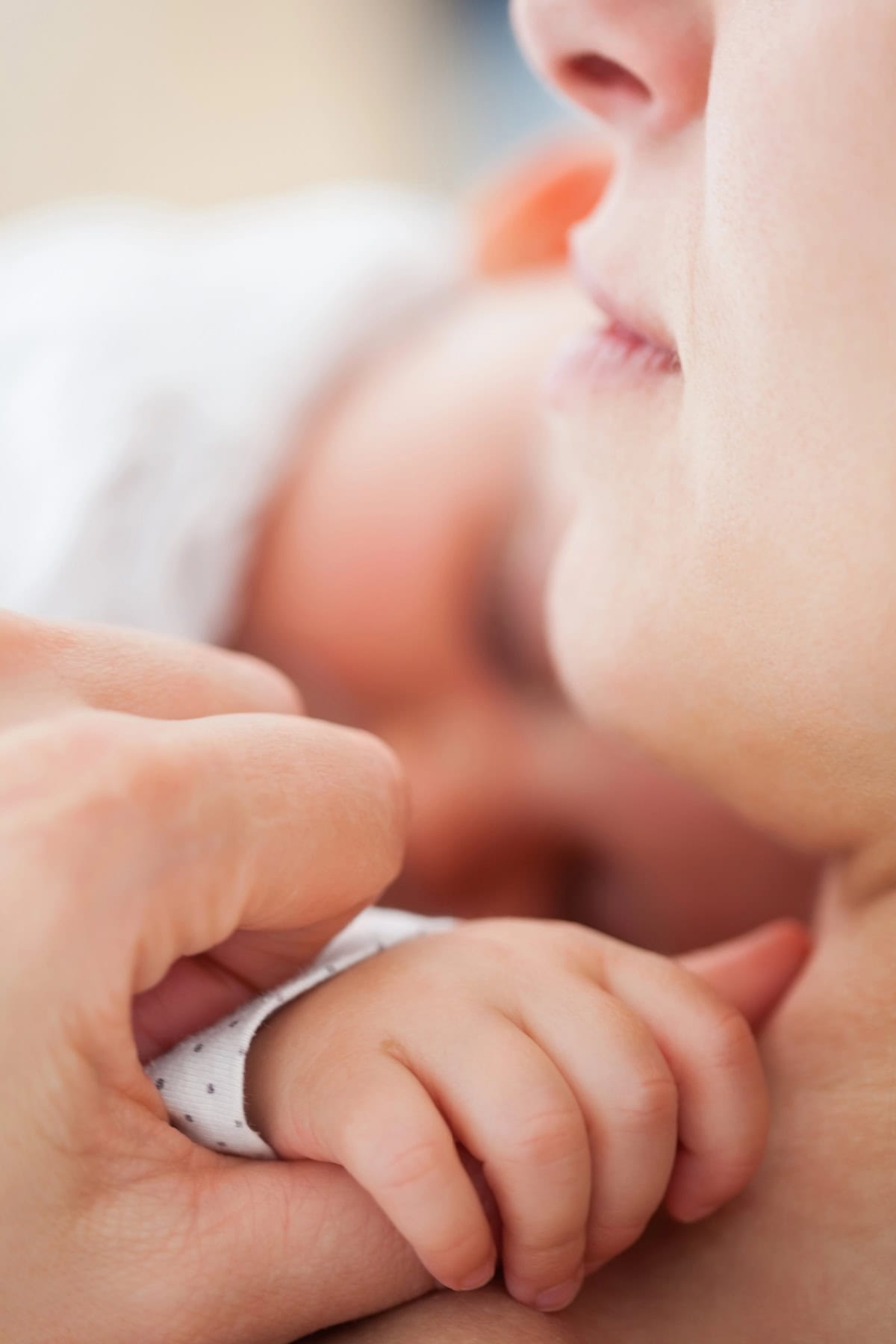
HOW TO CARE FOR SENSITIVE BABY SKIN
So, as a parent, how can you prepare for and protect your baby’s skin from the effects of seasonal changes? It helps to understand common skin rashes in children and babies, and to learn how to recognize them through visual guides and symptom checkers.
Common Warning Signs of Seasonal Baby Skin Conditions
Here are some common types of baby rashes to look out for in summer:
- In Miliaria, or heat rash, tiny red bumps develop on the neck, face, and diaper area, often causing considerable discomfort and itching.
- In bacterial skin infections like impetigo, sores usually form around the nose and mouth, which then develop into itchy blisters that can also spread across the body via contact.
- In thrush or yeast infections, the affected areas of skin appear red and scaly, causing itching and burning. They typically affect warm and moist areas such as the diaper area and skin folds.
Symptoms associated with common winter skin conditions in babies include:
- Chapped skin, particularly around the lips, hands, and other areas exposed to cold and dry air, is a common problem as babies are more vulnerable to the elements.
- Scaling of the skin with a yellowish hue is associated with seborrheic dermatitis, which typically affects the scalp, facial and diaper regions.
- Baby eczema is the most common winter skin condition, and it causes dryness of the skin, which usually gets red and irritated, causing itching. It can affect any area of the body.

What You Can Do to Protect Your Baby’s Skin
Pay Attention to Baby Hygiene
Poor hygiene increases the risk of infection during seasonal transitions, particularly during the summer months. This could mean more frequent diaper changes, sanitizing baby toys, washing baby bedding and clothes, and so on. While hygiene is essential all year, pay closer attention to it during the summer to lower the risk of bacterial and fungal infections that cause rashes on babies.
Use Gentle Cleansers
Always look for mild and fragrance-free baby soaps and cleansers. Many products contain harsh chemicals that can strip away natural skin oils, increasing the risk of dry skin conditions. This becomes all the more concerning in winter as weather conditions already increase the risk of eczema and seborrheic dermatitis. Use lukewarm water for baths as hot water can increase skin dryness. Make it a point to also dry thoroughly but gently after bathing to minimize the risk of any infections.
Use a Baby Moisturizer
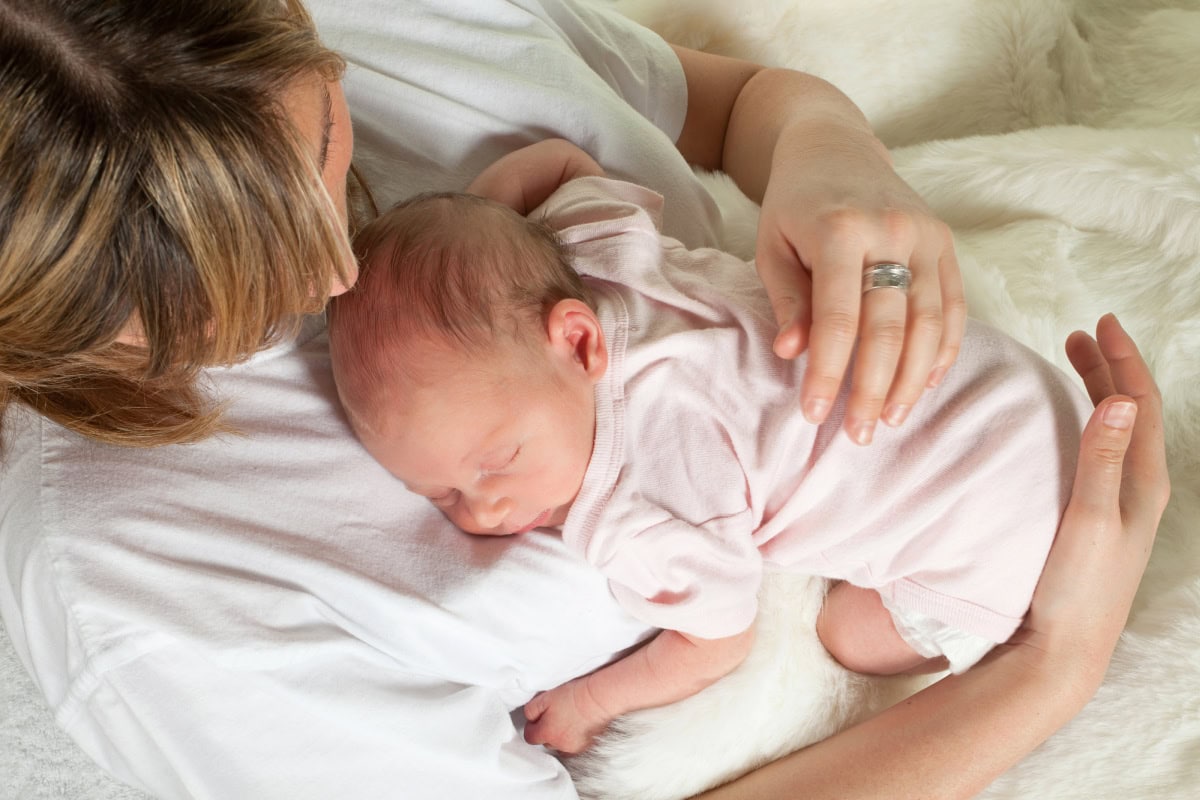
Moisturizers are a baby winter skin care essential, helping to protect against seasonal changes that can cause dryness. Make sure to choose a gentle, hypoallergenic moisturizer designed specifically for babies. Apply it liberally over the entire body, massaging it in gently so that it’s well absorbed.
Limit Sun Exposure
Babies’ skin is a lot more susceptible to sun damage, making UV protection essential whenever you venture outdoors. While recommended throughout the year, it’s even more important during the summer months. The intensity of sunlight is much stronger. The best protection is to limit time spent out during peak hours while applying a sunscreen of at least SPF 15. Just be careful to only use baby sunscreen, which are mineral-based and safe for baby skin.
Choose Appropriate Clothing
Proper clothing often exacerbates or triggers seasonal baby skin conditions. In summer, choose soft and thin fabrics like cotton. Don’t use too many layers of clothing so that heat doesn’t get trapped. In winter, continue to use a soft cotton inner layer, as this is easier on the skin—this can be followed with warmer and thicker middle or outer layers made from soft fleece or merino wool.
If you’re faced with a rash on your baby’s skin that doesn’t improve with home care, talk to your pediatrician about it as soon as possible.
Be sure to check out these other articles while you are here:
- What to Pack in a Baby Shower Gift Basket
- What to Put in a Baby’s Easter Basket
- Baby Girl Scrapbook Page Ideas

- Simple Ways to Make Home Maintenance Less Stressful - September 15, 2026
- Bathroom Flooring Ideas That Balance Style and Practicality - September 15, 2026
- Red Light Spa Near Me vs. At-Home Red Light Panel: Which Is Better? - September 15, 2026